What Is the Significance of Thor’s Hammer? The History and Power of Mjolnir
What is the significance of Thor’s hammer? As comic book fans, we’ve all wondered about the immense power of Mjolnir. But how has this mighty artifact shaped the God of Thunder’s character throughout the Marvel universe?
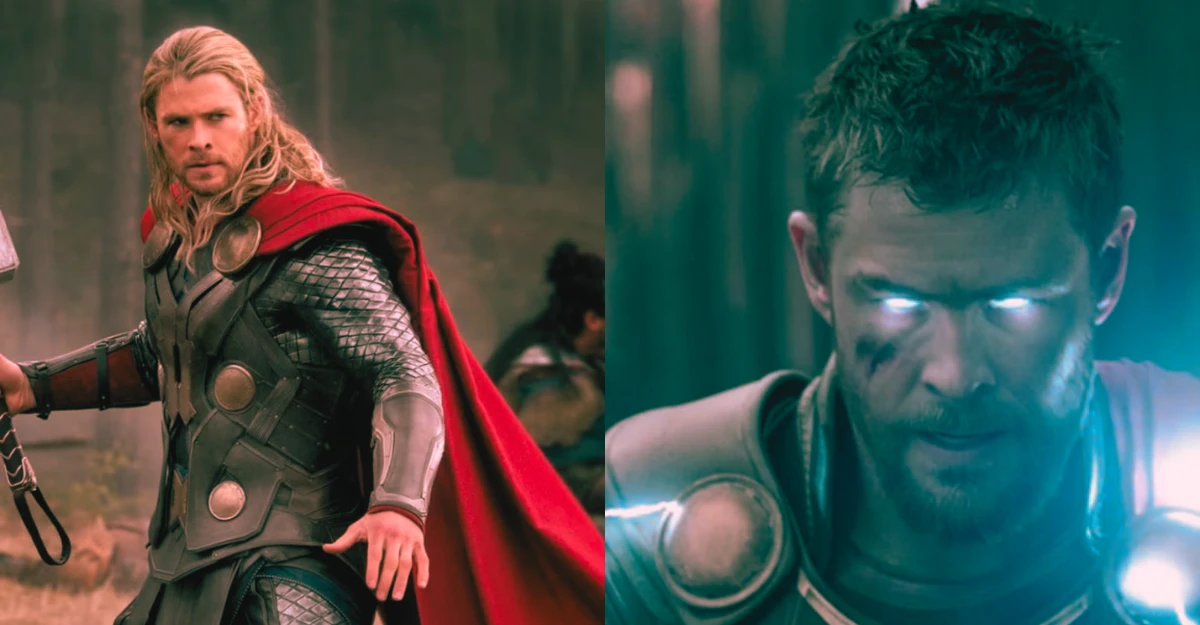
As comic book fans, we’ve all wondered about the immense power of Thor’s hammer, Mjolnir. But what’s the significance of this mighty artifact, and how has it shaped the God of Thunder’s character throughout the Marvel universe? In this article,
we’ll delve into the origins of Mjolnir in Norse mythology and Marvel comics, exploring its enchantment, power, and the rules of lifting it. We’ll also examine how Mjolnir has been wielded by notable characters beyond Thor and its destruction and reformation throughout comic history.
By the end of this article, you’ll understand the crucial role Mjolnir plays in defining Thor’s character and the impact it has had on the Marvel universe.
The Origins of Mjolnir in Norse Mythology and Marvel Comics
In comic book history, few characters stand out like Thor, the Norse god of thunder, and his hammer, Mjolnir.
Norse myth is the original source of the weapon. Dwarven blacksmiths Brokkr and Eitri forged the hammer as a gift for Thor in the original Norse mythology accounts.
An ancient enchantment makes the hammer virtually indestructible. This magical safeguard protects it from conventional damage.
What Is the Significance of Thor’s Hammer’s Worthiness Rule?
Norse myth dictates that only those deemed worthy by the gods can lift the hammer. This requirement tests character and physical power.
Marvel Comics adapted this concept. Thor’s moral standing directly determines if he can wield the weapon.
This rule defines Thor’s identity. The weapon is a highly recognizable item in modern pop culture.
How Odin’s Enchantment Actually Works
Odin’s enchantment dictates who can wield the weapon. Dwarves forged the hammer from Uru metal in the heart of a dying star.
The hammer remains completely inert unless the wielder possesses worthiness. The inscription on the side of the weapon assesses psychological and ethical integrity, as shown in official Marvel character files.
If a candidate lacks the required character, the weapon remains immovable. This rule applies to everyone, including Thor.
Thor loses the ability to lift the weapon when he acts with arrogance or hubris. He must align his actions with the high standards set by Odin.
The Mechanics of the Worthiness Spell and Its Subjective Threshold
The worthiness spell adapts to the context of the story. Thor’s early arrogance forced him to learn humility as the mortal Donald Blake.
In the comic series The Unworthy Thor by Jason Aaron, Nick Fury whispers a secret that instantly makes Thor unworthy. This event shows that the enchantment relies on emotional and moral states.
Odin defined worthiness using his own subjective criteria. The spell evaluates selflessness, sacrifice, and leadership capability.
While figures like Loki evolved from a villain to an anti-hero, their internal motivations rarely meet this standard.
Beta Ray Bill and Jane Foster lift the hammer because their intentions align with the selfless duty of the weapon. The spell continuously monitors the current spiritual state of the wielder.
Mjolnir as a Tool of Destruction and Atmospheric Control
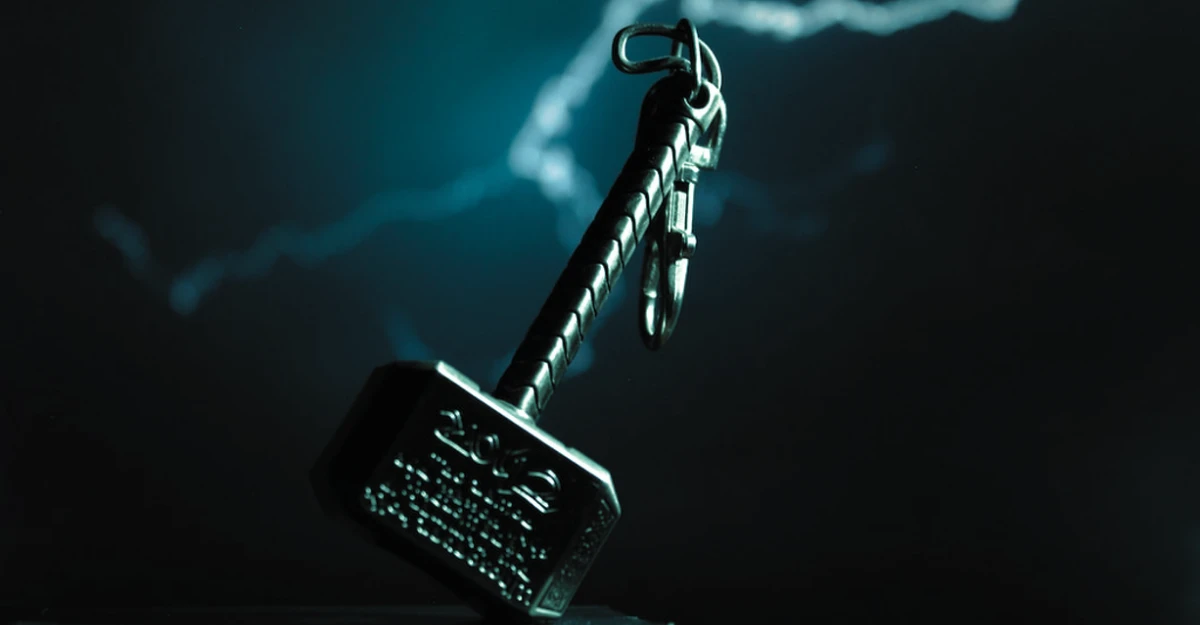
Thor uses Mjolnir to control Asgardian weather systems. The dense molecular structure of Uru metal gives the weapon its extreme durability.
Thor swings the hammer to direct localized pressure systems and electrical currents. The weapon gathers ambient atmospheric electricity and discharges it toward targets.
This power allows Thor to generate massive tornadoes and flash-freeze his surroundings. He also strikes enemies with precise bolts of energy.
Spinning the hammer at high speeds generates intense air pressure. This pressure enables flight and creates protective barriers against physical projectiles.
Mjolnir operates through magic. Its ability to summon storms bypasses normal physical laws, making Thor a highly dangerous combatant.This dual role — weapon and weather system — is core to what is the significance of Thor’s hammer as a character-defining object
The Role of Uru Metal and Mystical Conduction
Uru metal provides the foundation for Mjolnir’s power. This material holds Asgardian magic and amplifies energy beyond natural physical limits.
Uru bonds easily with magical spells. Odin bound the worthiness enchantment directly into the atomic structure of the hammer.
The metal survives direct attacks from cosmic entities. It withstands energy blasts that easily destroy conventional alloys.
Uru possesses a form of sentience. It responds to the wielder’s direct thoughts and commands.
Thor summons the weapon from across light-years. The hammer tracks his specific magical signature through space.
Notable Characters Beyond Thor Who Have Wielded the Hammer
Mjolnir connects deeply with Thor, but other heroes have wielded it. These moments highlight the nature of the enchantment.
Beta Ray Bill, a Korbinite warrior, famously proved his worthiness. The hammer adapted to his alien physiology and granted him the powers of Thor.
Jane Foster later claimed the hammer when Thor became unworthy. She assumed the mantle of the Goddess of Thunder to protect Earth and Asgard.
Captain America also lifted the weapon during critical battles. Wielding Mjolnir highlights how key Avengers handle moral conflicts in times of crisis.
These instances confirm that worthiness determines who wields the weapon. The hammer remains an objective test of character.These moments reinforce what is the significance of Thor’s hammer: it’s a test of character, not a birthright.
Mjolnir’s Destruction and Reformation Throughout Comic History
Mjolnir has broken multiple times despite its reputation. Extreme forces can damage Uru metal.
In 1982’s The Avengers #215, Molecule Man disintegrates the hammer. Years later, during the Fear Itself event, the Serpent shatters Mjolnir with his bare hands.
During massive crossover events detailed in guides to Marvel’s Avengers, Thor frequently loses his primary weapon.
When the hammer breaks, Thor must rely on older weapons like the battleaxe Jarnbjorn. These losses force him to fight without his storm-summoning abilities.
Rebuilding Mjolnir requires immense power. The blacksmiths of Nidavellir must use the heat of a dying star to melt and reform the Uru shards.
The magic within the metal remains intact after destruction. This residual enchantment allows the weapon to retain its properties once reforged.
The Final Verdict on Mjolnir’s Role in Defining Thor’s Character
So, what is the significance of Thor’s hammer? Mjolnir isn’t just a weapon — it’s a constant, living test of Thor’s worthiness and moral character.
Mjolnir is the central element of Thor’s identity. The weapon’s worthiness spell acts as a constant test of his moral character.
Other heroes occasionally lift the hammer, but its legacy remains tied to Thor. The physical rules of the weapon force the God of Thunder to remain humble.
Worthiness defines the true hero. Moral character outweighs physical power.