What Is Iron Man’s Role in the Avengers?
What is Iron Man’s role in the Avengers? As a Marvel enthusiast, you’re well-versed in the complex dynamics within the team. With a focus on Tony Stark, this article delves into his preeminent role as the primary financial and technical benefactor.
As a Marvel enthusiast, you’re well-versed in the complex dynamics within the Avengers team. With a focus on Tony Stark, also known as Iron Man, this article delves into his preeminent role as the primary financial and technical benefactor.
But what’s his role beyond the financial backing? How has he evolved through the most trying battles faced by the team? Let’s examine Tony Stark’s lasting impact on the Marvel Universe.
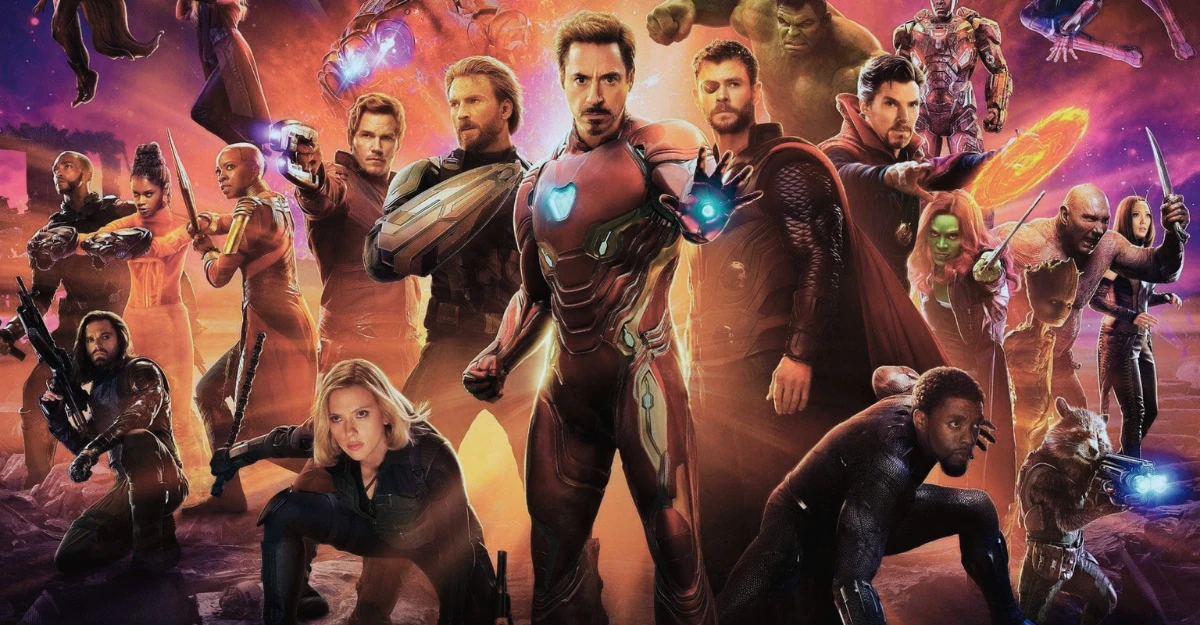
The Hook: Get ready to explore the intricate history of Tony Stark, a crucial character in the Marvel Cinematic Universe (MCU).
The Problem/Background: As a fan, you’re likely familiar with the original Avengers lineup, including Steve Rogers, Bruce Banner, Thor, and Tony Stark. However, few may know the truth behind Tony’s leadership style and its influence on the team.
The Promise/Thesis: In this article, you’ll discover Tony Stark’s role in the Avengers, covering his transition from founding member to strategic leader, conflict management, and moral responsibility.
Explore the evolution of his character throughout the most challenging battles faced by the team, and solidify your understanding of his lasting impact on the Marvel Universe.
Tony Stark as the Primary Financial and Technical Benefactor
Without Iron Man’s resources from Stark Industries, the team could not operate on a global scale. Tony Stark used his immense wealth to fund their initial missions and maintain their headquarters.
What Is Iron Man’s Role in the Avengers? From Founder to Strategist
Tony Stark grew from a founding member into a primary strategist. He used his engineering intelligence to guide team decisions during crises.
This evolution proved his capability to plan for long-term global defense. His resources shifted the group from a temporary response squad into a permanent security force.
How Stark’s Leadership Shaped Avengers Operations
Stark entered the team as a self-interested industrialist but quickly shifted toward high-level strategy. He realized early on that brute strength could not solve every global threat.
By providing the Avengers Mansion and the Avengers Tower, he transitioned from a field combatant to the team’s primary logistical coordinator. This transition directly influenced how teamwork shapes the Avengers’ success on the battlefield.
Stark used his Stark Industries resources to build advanced tracking systems and communication networks. He prioritized data-driven solutions and preemptive planning over reactive brawling.
By standardizing the team’s gear, he ensured the Avengers functioned as an integrated organization rather than a disorganized band of individuals.
The Integration of Stark Tech into Avengers Operations
Stark’s engineering set the standard for every piece of hardware the Avengers used. He moved beyond supplying his own Iron Man armor to build the Quinjet navigation systems and specialized containment units.
His drive for optimization led to the creation of J.A.R.V.I.S. and F.R.I.D.A.Y. These artificial intelligence interfaces processed battlefield data in real-time.
By embedding his engineering directly into the team’s infrastructure, Stark made himself indispensable. He turned the Avengers into a tech-integrated force that tracked and analyzed targets with industrial precision.
This tech-first approach is central to what is Iron Man’s role in the Avengers beyond just funding.
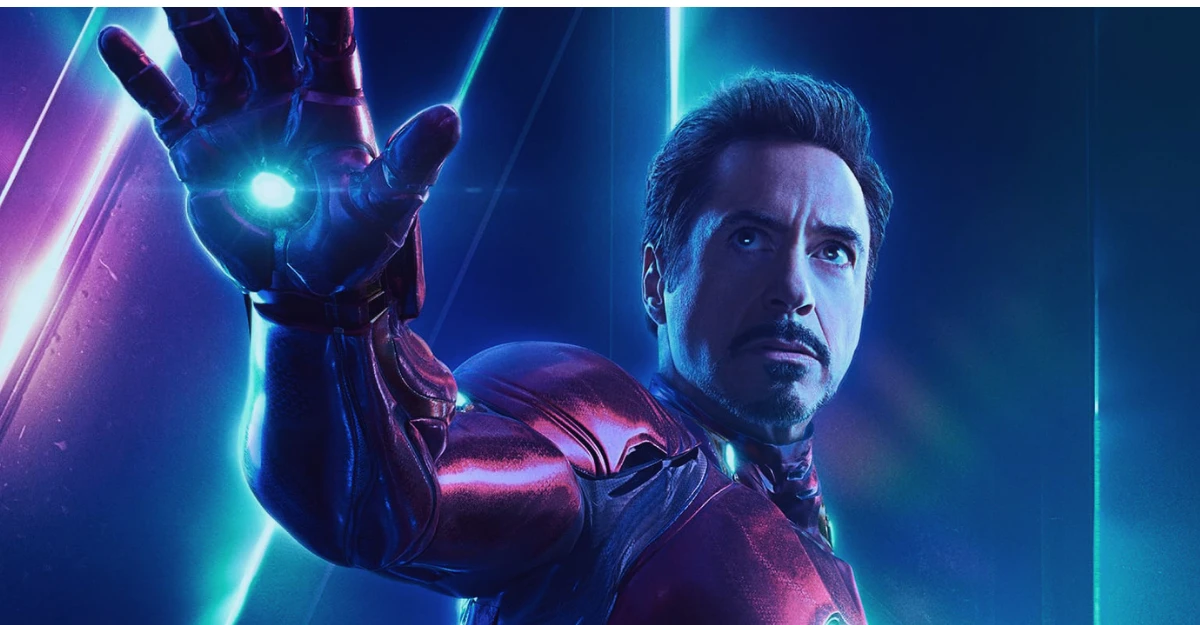
What Is Iron Man’s Role in the Avengers with Conflict Management and Moral Responsibility Within the Team
Stark operates as the primary friction point within the team, forcing his allies to confront the consequences of their actions. He brings a cold, pragmatic approach to team dynamics to balance the idealism of Steve Rogers.
When the team faces internal division, Stark prioritizes long-term security over immediate unity. This friction defines how Avengers handle moral conflicts when missions go wrong.
Stark carries the weight of past failures, specifically his role in creating Ultron. The destruction of Sokovia drove his insistence on oversight and accountability.
He views the Avengers as a military-grade force that requires strict regulation to prevent collateral damage. This rigid stance transformed him into a proactive manager of the team’s operations.
The Sokovia Accords and Internal Political Polarization
The Sokovia Accords represent the peak of Stark’s transition into a regulatory figure. By backing United Nations oversight, Stark sought to formalize the team’s operations and establish a legal framework for superhuman activity.
He viewed this document as a barrier against public backlash regarding unauthorized missions. This move directly challenged the autonomy of the other original members and created an irreparable rift.
Stark supported the Accords because he realized his own technology often fueled global threats. By submitting to outside authority, he attempted to shift moral responsibility toward international policy.
This strategy forced a hard choice upon his peers and split the Avengers into two factions. His drive for order defined the legal landscape of the MCU for years.
This political rift redefined what is Iron Man’s role in the Avengers, shifting him from ally to regulator.
Tony Stark’s Evolution Through The Avengers’ Most Difficult Battles
Tony Stark changed his approach to leadership during every major battle. He transformed his role from a simple financial supporter into a strategic coordinator.
His willingness to adapt allowed him to tackle massive threats, including the Chitauri invasion and Thanos. He constantly reevaluated his tactics to ensure the team’s survival.
Whether managing the fallout of the S.H.I.E.L.D. collapse or building the automated Iron Legion, Stark focused entirely on planetary defense. His actions defined the group’s defensive measures.
Legacy and Influence Beyond the Original Avengers Lineup
Stark established the standard for what a hero requires to succeed in a post-human world. By funding the team through Stark Industries, he integrated private corporate resources into global peacekeeping.
His influence persists through advanced artificial intelligence, automated defense networks, and upgraded equipment for successors like Peter Parker and Riri Williams. His character history on the official Marvel Profile outlines his transition from an arms manufacturer to a savior.
The Avengers’ current operational standards reflect Stark’s methodology. He shifted their focus from reactive combat to proactive threat assessment, which is evident in projects like the Iron Legion.
While his reliance on automation and surveillance created significant internal friction, these strategies remain the foundation for current team protocols. He forced the team to analyze the economic and political costs of their actions.
Stark’s impact extends to the next generation of recruits who use his gear to overcome human limitations against superhuman threats. His legacy resides in the specialized suits and intelligence networks that allow modern teams to function without his direct presence.
Every hero operating with Stark-derived technology continues his commitment to defense through innovation. The infrastructure he built remains a major tool for maintaining order in the Marvel Universe.
What Is Iron Man’s Role in the Avengers?
So, what is Iron Man’s role in the Avengers? Financier, strategist, technologist, and — often controversially — the team’s moral and political flashpoint.
Tony Stark shaped the modern Avengers through logistics, funding, and direct strategy. For more details on the team’s history, check out the ultimate guide to the Avengers.
- Stark’s influence combined technical support and strategic planning to organize the team’s operational structure.
- His legacy extends past his life, with his AI networks and gear continuing to support new heroes.
Stark’s lasting impact on the Marvel Universe solidifies his position as the structural foundation of the Avengers. His leadership, conflict management, and technology defined how the team defends the planet.