What Is Spider-Man’s Role in the Avengers?
What is Spider-Man’s role in the Avengers? It’s more than just a sidekick — it’s a strategic asset, from his Iron Spider suit to his Civil War allegiance.
Spider-Man’s role in the Avengers is more than just a sidekick—it’s a strategic asset, from his Iron Spider suit to his Civil War allegiance.
But his status as a full member, his dynamics with Tony Stark, and his impact on major events remain debated. This article breaks down his role through key comic runs, MCU events, and team dynamics, revealing how Peter Parker became the Avengers’ conscience and tactical edge.
From Street-Level Hero to Official Avenger
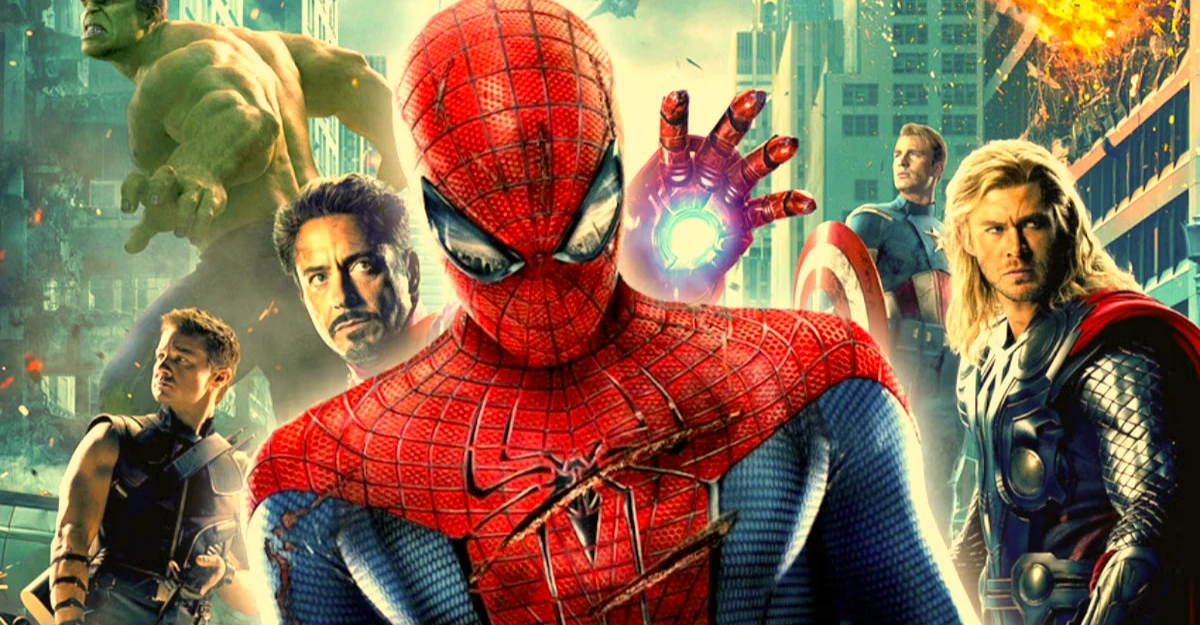
Peter Parker started his superhero career as a neighborhood protector. He debuted in the classic issue Amazing Fantasy #15 as a science-minded teenager working alone in Queens, New York.
His early years focused strictly on local crime. Joining Earth’s Mightiest Heroes forced him to adapt to large-scale military and cosmic threats.
He brought a combination of fast-paced humor and physical strength to the roster. This addition altered how teamwork shapes their success during high-risk conflicts.
Key Comic Book Runs Defining His Team Membership
Writer Brian Michael Bendis restructured the team roster in the mid-2000s. The “Disassembled” storyline broke the old Avengers lineup apart and created space for new members.
This event allowed Peter Parker to take a permanent position on the team. He transitioned from an occasional reserve ally to a core member alongside Captain America and Iron Man.This shift is central to understanding Spider-Man’s role in the Avengers during the Bendis era.
The Dynamic Between Peter Parker and Tony Stark
Tony Stark drove Spider-Man’s integration into the main Avengers roster. Stark viewed Parker as an asset but also as a liability who required close supervision.
Stark provided advanced tech and high-grade armor. This gear shifted Peter’s focus from street-level patrols to global defense missions.
The alliance forced Peter to balance his personal values against a structured hierarchy. He resisted becoming a simple instrument of Stark Industries while using Stark’s massive resources.
The Evolution of the Stark-Designed Iron Spider Suit
The Stark-designed armor gave Peter Parker heavy defensive plating and mechanical arms for combat support. This suit allowed him to survive direct clashes with high-tier supervillains.
The armor’s built-in heads-up display provides instant battle telemetry. This tech expanded Peter’s combat options beyond his basic physical reflexes.
But the suit had major drawbacks. During the superhero Civil War, Stark used remote overrides to monitor and control Peter’s actions.
Peter eventually rejected the tracking systems and reclaimed his independence. This choice cemented his transition into a self-sufficient team member.The suit’s evolution says a lot about Spider-Man’s role in the Avengers as both an asset and an independent agent.
How the New Avengers Run Redefined Spider-Man
For decades, Spider-Man worked alone. The launch of New Avengers in 2005 changed his status permanently.
Writer Brian Michael Bendis placed Spider-Man in the core lineup. He became an active participant in global operations instead of a local specialist.
This period forced Peter to step away from his isolated routine. He had to operate under the public scrutiny of a high-profile superhero squad.
The Shift Toward Global Authority in New Avengers
The Raft prison breakout in New Avengers #1 forced a diverse group of heroes to cooperate. Spider-Man helped contain high-powered escapees, proving his worth outside of Queens.
Living in Stark Tower created severe privacy problems for Peter’s family. He struggled to shield his aunt and wife from public exposure while serving on a global team.
These challenges showed that team membership required sacrifice. Working in a structured group altered his entire approach to crime fighting.
What Is Spider-Man’s Role in the Avengers During Major MCU Events?
The Cinematic Universe adapted Peter’s strategic utility across several major conflicts. His high-speed agility and spatial awareness made him a key asset during large-scale confrontations.
During his debut in Captain America: Civil War (2016), Stark recruited him for the airport battle in Germany. Peter used his web-shooters to immobilize Giant-Man and disarm Captain America.
His tactics relied on rapid improvisation. He brought down giant opponents by using environmental obstacles and pop-culture strategies.
In Avengers: Infinity War (2018), he traveled into space to confront Thanos. His quick reflexes allowed him to rescue falling teammates during chaotic gravity shifts. These traits explain what makes Spider-Man unique among the Avengers.
How Peter Parker Represents the Conscience of the Team
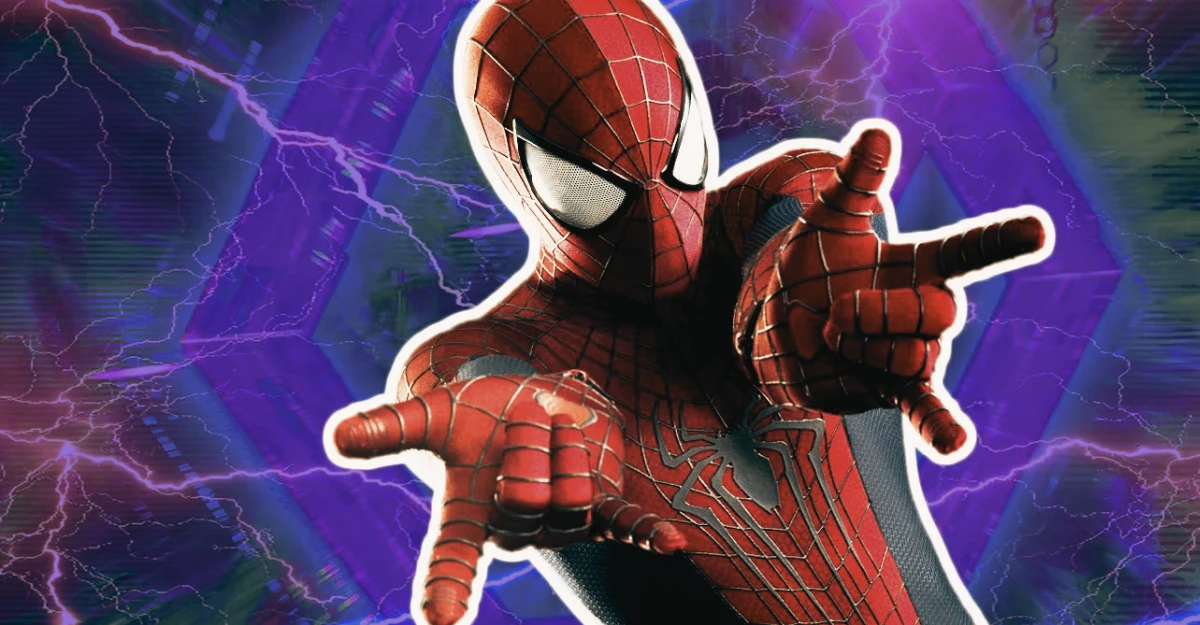
Spider-Man is the ethical anchor of the group. While leaders like Iron Man focus on global strategy, Peter prioritizes saving individual civilians.
His presence reminds the team of their direct responsibility to regular people. He prevents the group from becoming too militaristic or detached.
He maintains an outsider perspective even as a full-time member. He resists making cold, strategic sacrifices for the so-called greater good.
This perspective helps the team handle moral conflicts when high-stakes decisions threaten civilian lives.
During the Superhuman Registration Act, Peter initially backed Tony Stark’s pro-registration side. He later defected after witnessing the government’s abusive detention policies.
This willingness to challenge his mentors proves his independence. He remains loyal to people rather than government institutions or superhero hierarchies.
Evolution of Spider-Man Within the Avengers Hierarchy
So, what is Spider-Man’s role in the Avengers? A tactical asset, an ethical anchor, and an irreplaceable bridge between street-level heroism and global-scale conflict.
Spider-Man’s transition from local vigilante to core Avenger altered the group’s operational style. His development under Bendis and Stark combined tactical flexibility with deep ethical accountability.
His participation in major conflicts solidified his value. His neighborhood perspective kept the entire team focused on protecting everyday citizens.
- The Iron Spider suit enhances his combat options by combining his natural agility with Stark’s advanced weapon systems.
- His moral position forces the Avengers to put human lives ahead of political agendas.
Peter Parker remains an irreplaceable asset because he balances immense physical utility with an unyielding ethical code.
Sources & Citations
- Marvel Official Character Bio: Spider-Man (Peter Parker) Profile
- Marvel Comics Series History: New Avengers (2004 – 2010)