What Triggers Hulk’s Transformations? A Deep Dive into Bruce Banner’s Rage
What triggers Hulk’s transformations? As a comic book enthusiast, you’ve likely wondered what sets off the Incredible Hulk’s mighty change. With the mere mention of his name, Bruce Banner’s rage and fury become apparent, tossing control to the side as the Hulk takes over.
As a comic book enthusiast, you’ve likely wondered what triggers the Incredible Hulk’s mighty transformation. With the mere mention of his name, Bruce Banner’s rage and fury become apparent, tossing control to the side as the Hulk takes over.
In this article, we’ll delve into the mechanics behind the Jade Giant’s shifts, exploring the emotional triggers and the role of adrenaline, the connection between gamma radiation and psychological stress, and even differences in how various writers have redefined the Hulk’s activation points.
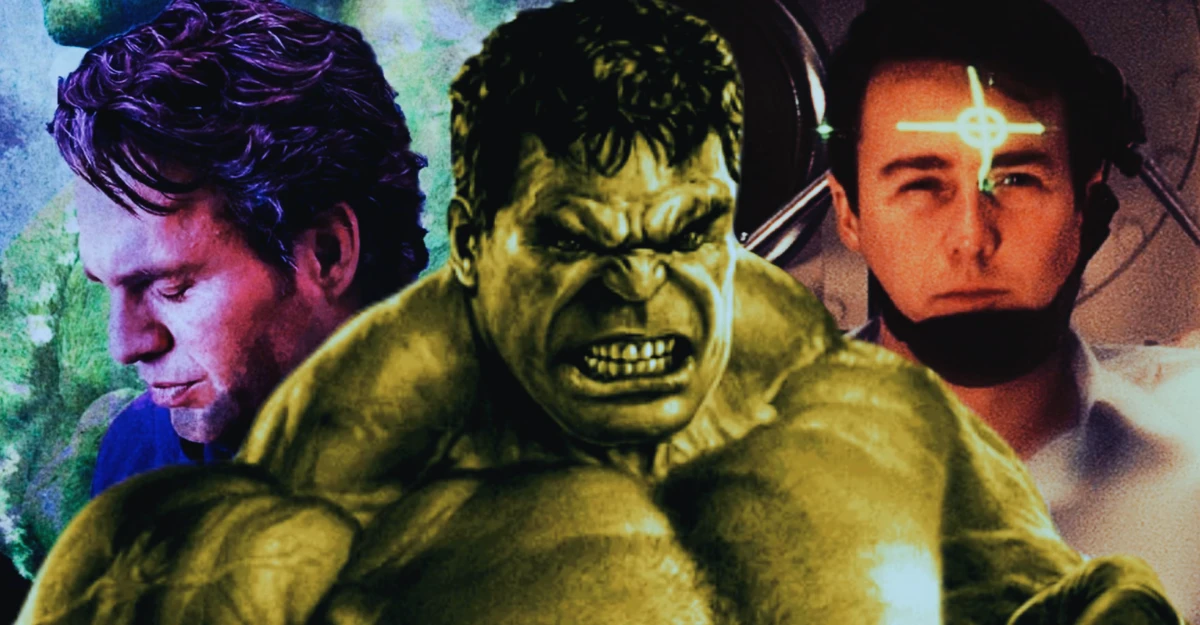
Emotional Triggers and the Role of Adrenaline
Bruce Banner mutated after exposure to high-dose gamma radiation. This physical trauma permanently altered his biological makeup.
Spikes in his heart rate trigger the physical change. Extreme emotional stress sends adrenaline through his bloodstream, activating the mutated cells.
The Correlation Between Heart Rate and Transformation
This adrenaline spike is the most immediate answer to what triggers Hulk’s transformations.
Adrenaline starts the change. When Banner faces danger, his heart rate spikes past a baseline threshold.
This biological reaction instantly alters his cell structure. He struggles to manage his pulse because any sudden scare overrides his mental defenses.
The Connection Between Gamma Radiation and Psychological Stress
Banner’s endocrine system releases adrenaline during stress. Standard humans experience a normal fight-or-flight response, but Banner’s gamma-irradiated cells respond to cortisol spikes by expanding muscle mass and altering skeletal structure.
Calm conditions keep his cells dormant. High heart rates force his biology to mutate as a survival mechanism.
Understanding this biological response helps explain how Hulk controls his rage during high-stress encounters.
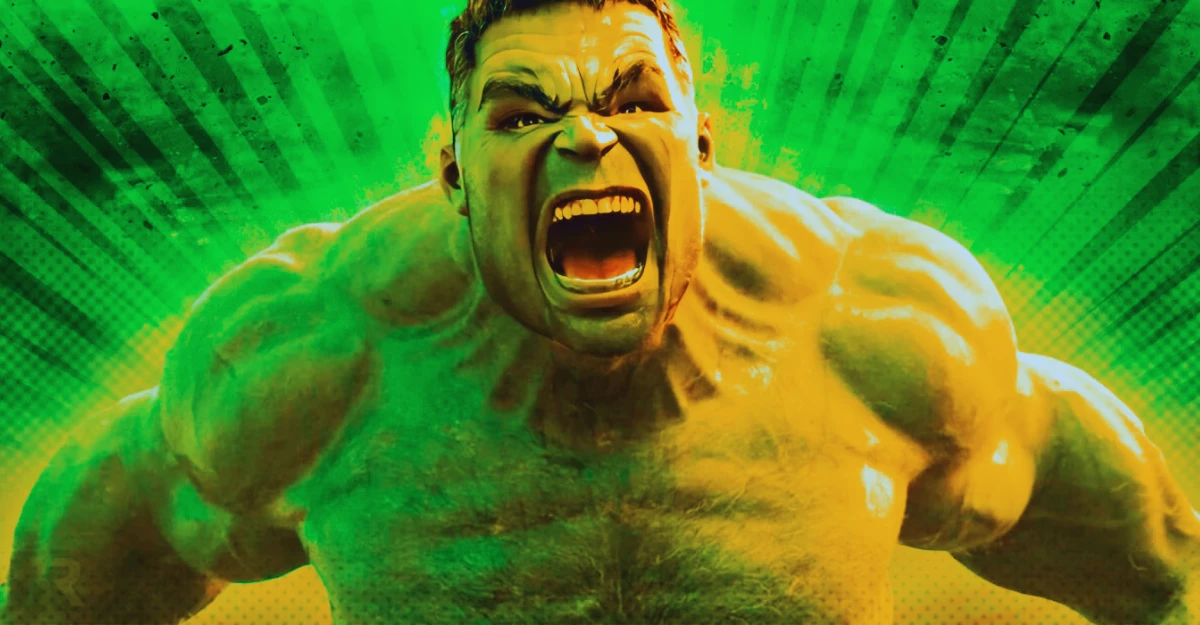
The Role of Cortisol in Gamma-Cell Activation
Cortisol connects Banner’s brain activity directly to his gamma storage. Adrenaline starts the change, while cortisol keeps the Hulk active during long battles.
Chronic stress keeps Banner’s gamma levels close to the transition point. During high-stress situations, the human body releases a surge of cortisol and adrenaline, as detailed by the Mayo Clinic.
Sustained trauma puts Banner into hyper-vigilance. Writers like Al Ewing established that the Hulk represents a somatic manifestation of Banner’s subconscious trauma.
How Writers Redefined Hulk’s Activation Points
This evolution shows how what triggers Hulk’s transformations has changed dramatically across decades of comics.
Stan Lee and Jack Kirby originally tied the transformation to the sunset. The Hulk emerged only at night, mimicking classic horror monsters.
Later writers abandoned circadian cycles for psychological models. Over the decades, creators made anger the primary trigger.
This shifting lore affects the character’s dynamics, especially when examining how Hulk’s inner conflict affects his loyalty to teammates.
The Influence of Peter David’s Psychological Framework
Peter David focused on Banner’s Dissociative Identity Disorder. He established that Banner’s mind determines which version of the Hulk emerges.
The Savage Hulk, Gray Hulk, and the Professor represent specific identities. Each identity responds to distinct emotional trauma.
This changed the transformation trigger from a simple hormone spike to a subconscious defense mechanism. Banner’s mind dictates his physical form.
What Else Triggers Hulk’s Transformations Besides Anger?
Environmental threats and physical attacks force transformations without emotional triggers. Direct physical trauma bypasses Banner’s mind completely.
These physical triggers often occur during high-stakes combat. Violent clashes in storylines like Hulk vs Wolverine show how injuries force immediate transformation to prevent death.
External gamma radiation sources also trigger the change. Artificial gamma emitters force the transformation against Banner’s will.
Why Bruce Banner Cannot Always Control the Shift
So, what triggers Hulk’s transformations? A mix of adrenaline, cortisol, psychological trauma, and sometimes forces entirely outside Banner’s control.
Banner’s brain chemistry reacts to threats faster than his logical thoughts. This autonomic response bypasses his conscious will.
When panic increases his heart rate, gamma cells initiate immediate, involuntary expansion. History and biological profiles on the character’s publication history can be found on the official Marvel Profile.
Banner uses meditation and chemical inhibitors to suppress the transformation. These methods fail when real physical danger threatens his survival.
His body prioritizes the Hulk’s high durability. Once his physical stress crosses the biological threshold, the transformation becomes unstoppable.
Summary of Hulk’s Transformation Triggers
- Adrenaline and cortisol trigger the physical expansion of Banner’s mutated cells.
- Writers updated the triggers from nocturnal cycles to complex psychological responses.
- Dissociative Identity Disorder determines which version of the Hulk emerges during stress.