What Is the Origin of the Avengers in Marvel Comics?
“What is the origin of the Avengers in Marvel Comics? The Avengers debuted in 1963 as Marvel’s answer to superhero fatigue. But their formation remains confusing — especially Loki’s role and why Captain America wasn’t there.
The Avengers debuted in 1963 as Marvel’s answer to superhero fatigue. But their formation remains confusing—especially Loki’s role and why Captain America wasn’t there.
This article breaks down their origin, from Stan Lee and Jack Kirby’s vision to the original lineup’s dynamics. You’ll learn how Loki’s schemes forged the team, the roles of Iron Man, Thor, and Hulk, and why Cap joined later.
What Is the Origin of the Avengers in Marvel Comics? The 1963 Debut
In 1963, an American writer named Stan Lee worked as the editor-in-chief at Marvel Comics. He wanted to build a superhero team that gathered the most famous characters from the publisher’s roster.
Lee partnered with artist Jack Kirby to design a comic book that changed the industry. This collaboration produced Avengers #1, a historic release that introduced the world to the team.
The Significance of the Original Avengers Lineup
The original lineup created a unique dynamic. Lee and Kirby chose characters with conflicting personalities to make their interactions interesting.
The founding roster included Iron Man, Thor, Ant-Man, Wasp, and the Hulk. Captain America did not appear in the first issue. You can read more about their early collaborative history in our Ultimate Guide to Marvel’s Avengers.
These five heroes united to stop a threat orchestrated by Loki. Their early battles established a complex team dynamic that influenced Marvel Comics for decades.
Loki’s Manipulation and the Formation of the Original Roster
The Avengers formed because of a single act of deception. In the pages of Avengers #1, Loki plotted to destroy his brother, Thor.
Loki framed the Hulk by creating an illusion of him destroying a railway track. He wanted to lure Thor into a direct trap.
Loki altered radio signals to block a call to the Fantastic Four. The distress signal reached Iron Man, Ant-Man, and the Wasp instead.
These heroes located the Hulk and quickly discovered Loki’s trick. They chose to remain united to fight threats too large for any single hero.
Read about how this event shaped his path in our analysis of what makes Loki an anti-hero.This deception is the true starting point when tracing the origin of the Avengers in Marvel Comics.
The Strategic Miscalculation of the God of Mischief
Loki made a major tactical mistake. He underestimated the ability of these separate heroes to work together.
He assumed they would destroy each other. He did not foresee the leadership of Iron Man and Ant-Man.
By bringing them together, Loki forced them to form a permanent alliance. His scheme backfired completely.
The heroes realized they needed a system to defend the planet. They established a coordinated strike force to stop future threats.
The Roles of Iron Man, Thor, Ant-Man, Wasp, and Hulk
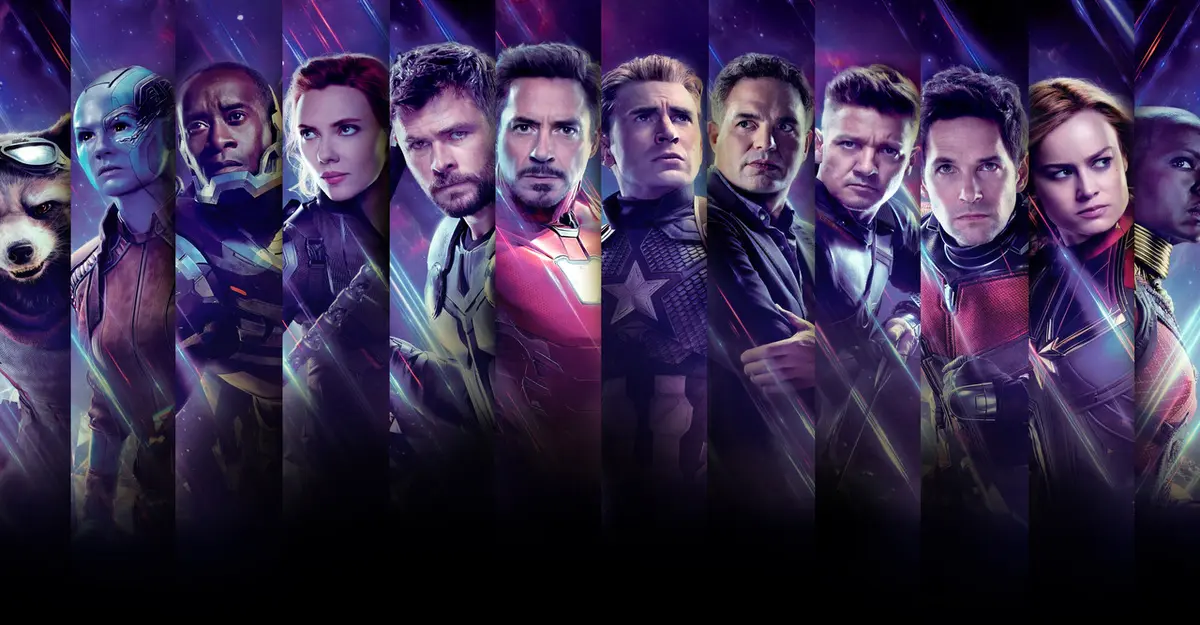
Lee and Kirby designed a distinct power balance for the team. Iron Man provided the funding and technical intelligence.
Thor acted as the primary physical force. He used his godly power to stop threats that conventional weapons could not damage.
Ant-Man and the Wasp gathered intelligence. Their size-shifting powers allowed them to complete stealth missions.
The Hulk added unpredictable raw power. His instability forced the other members to plan their actions carefully.This power balance is central to understanding the origin of the Avengers in Marvel Comics.
The Strategic Imbalance of the Original Power Dynamic
The team lacked real cohesion in their earliest days. Each member worked in a specific, isolated role.
Tony Stark’s focus on engineering efficiency often clashed with Thor’s mythological views. These arguments made coordination difficult.
Hank Pym and Janet Van Dyne managed the group’s logistics. They kept the team from splitting apart during arguments. Discover how coordination influences their missions in our guide on how teamwork shapes the Avengers’ success.
Why Captain America Was Not a Founding Member
Captain America was not a member of the original team. Iron Man, Thor, Ant-Man, Wasp, and Hulk fought Loki in the debut issue in September 1963.
Writer Stan Lee and artist Jack Kirby brought Captain America into the present day months later. The team discovered him frozen in a block of ice.
He officially joined the group in Avengers #4 in March 1964. He quickly assumed a leadership position within the roster.
How Stan Lee and Jack Kirby Created the Avengers Dynamic
Lee and Kirby built the team on a foundation of personality clashes. They knew that powerful characters needed internal friction to remain interesting.
Lee wrote scripts where individual egos clashed constantly. Tony Stark remained arrogant, Thor seemed detached, and the Hulk stayed angry.
Kirby drew these arguments with a sharp, kinetic energy. His art gave the characters physical weight and made their debates feel dangerous.
This creative partnership focused on the flaws of the heroes. They treated the team as a group of coworkers who struggled to get along but still saved the world.
Key Takeaways on the Avengers’ Legacy and Early History
So, what is the origin of the Avengers in Marvel Comics? A chaotic clash of egos, forced together by Loki’s scheme and cemented by Stan Lee and Jack Kirby’s creative vision.
The Avengers emerged from Loki’s calculated schemes. Their first mission was a chaotic clash of egos.
The team’s power balance relied on a deliberate clash of personalities. This friction forced them to collaborate.
- Loki’s trickery inadvertently created the team.
- The original lineup’s chaos drove the narrative tension.
The Avengers’ origin lies in missteps and mismatched egos. Their legacy began with a fractured alliance.