What Moral Dilemmas Might Doom Face as God Emperor?
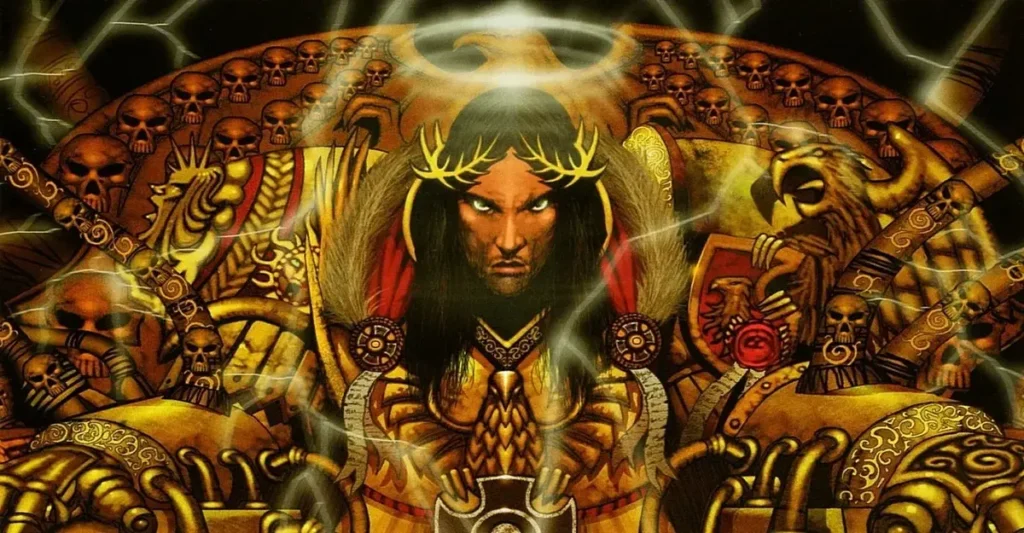
Victor Von Doom’s ascension to God Emperor in Secret Wars 2015 thrusts him into a cosmic role few could handle. As ruler of Battleworld, his vision for universal order clashes with the chaos of countless realities. The question isn’t just about power—it’s about the cost of enforcing a single will. This article unpacks the ethical quagmires of authoritarian control, the burden of absolute power, and the psychological toll of being the sole protector. moral dilemmas might Doom face as God Emperor From replacing Reed Richards to dictating Latverian perfection, Doom’s journey reveals the cracks in his godlike ambition.
Replacing Richards: The Ego Trap of Playing God
Replacing Reed Richards as the ruler of Battleworld creates a moral dilemma for Victor Von Doom. In the God Emperor Doom Secret Wars storyline, Doom’s ascension to God Emperor changes his long-standing rivalry with Richards. Now, Doom must maintain order and balance across a unified universe.
His disciplined personality helps him rule. moral dilemmas might Doom face as God Emperor, However, it also stops him from understanding the value of individual freedom.
Emulation and Inflation of Genius
This replacement traps Doom in an inflated sense of self-importance. He struggles to understand if his vision for a unified universe is actually realistic. He cannot easily balance the needs of a diverse population because he always prioritizes total control over personal choice.
The Obsession With Reed Richards
Victor Von Doom’s ascension to God Emperor in Jonathan Hickman’s 2015 comic run marks the realization of his lifelong obsession. For years, he viewed Reed Richards as a mediocre intellect who squandered his potential. This rivalry is a defining element in the history of Doctor Doom.
By seizing the powers of the Beyonders, Doom stitched together Battleworld from the wreckage of the collapsing multiverse. Details on this catastrophic event are outlined on Marvel’s Secret Wars (2015) event page.
This victory creates an immediate crisis. Doom inherits the burden of existence.
He now has to manage the logistics of creation instead of just destroying his enemies. This shift traps him in a cycle of constant insecurity.
The Paradox of Validating Superiority Through Stolen Authority
Doom craves recognition, but his stolen omnipotence undermines his satisfaction. He gained godhood by taking power from the Beyonders rather than relying solely on his own scientific discoveries. This leaves him in a moral stalemate.
To prove he is better than Richards, Doom maintains Battleworld as a rigid structure. He ensures surviving members of the Fantastic Four cannot challenge his design. Yet, every law he enforces and every rebellion he crushes confirms his fear of irrelevance.
He acts like a celestial guardian while making decisions based on petty mortal grievances. He spends his entire life trying to prove he belongs on the throne. This struggle shows he lacks the calm detachment needed for genuine godhood.
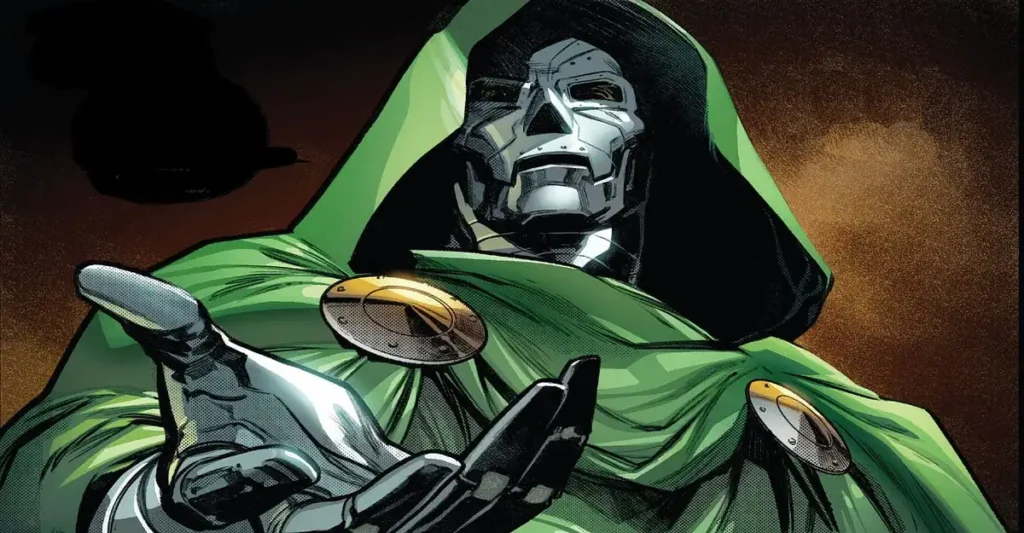
Keeping the Peace Through Absolute Authoritarian Control
Doom preserves what remains of existence by stripping away personal agency. Battleworld operates under a rigid, iron-fisted structure. In this society, dissent is treated as treason.
Doom believes humanity cannot save itself from its own worst impulses. He implements a system built on fear and enforced stability. He justifies this draconian rule as the cost of survival.
His peace is a sentence imposed upon his subjects. True order requires surrender, and Doom demands complete submission.
The Erosion of Individual Liberty Under the God Emperor
Enforcing absolute authority requires the constant suppression of independent thought. Doom maintains his grip through the Thor Corps, a police force representing his personal will. By removing self-determination, he prevents the conflicts that originally destroyed the multiverse.
This policy creates a major ethical deficit. When people have no freedom to fail, they cannot grow. Doom views his subjects as children who require his cold guidance to function.
This approach ignores the value of autonomy. By dictating every detail of daily life, Doom turns his saved universe into a static collection of frozen cultures. He protects existence but strips away genuine human progress.
The Psychological Weight of Being the Sole Protector
Protecting Battleworld alone is a massive burden. As God Emperor, Doom has absolute control over reality. This power means any failure on his part would result in total destruction.
Every decision and outcome rests squarely on his shoulders. This responsibility fuels constant psychological strain. You can read more about his mental struggles and how his power compares to other versions in our analysis of God Emperor Doom vs End of Time Doom.
His focus shifts from his usual scientific arrogance to constant anxiety about potential disaster. Battleworld remains highly unstable, relying entirely on his mental focus to survive. This pressure blurs the line between leadership and tyranny.
Doom believes he is the only being capable of maintaining this fragile peace. This belief forces him into a perpetual struggle between his idealistic vision and the harsh reality of absolute rule.
Is Latverian Perfection Possible on a Universal Scale?
Victor Von Doom believes his specific brand of authoritarianism is the only path to stability. He successfully ruled his homeland of Latveria through absolute control and advanced science. But scaling this model to fit Battleworld is far more difficult.
Latverian citizens followed Doom because he provided security. By contrast, the residents of Battleworld are refugees from destroyed realities. They hold different cultural identities, political systems, and religious beliefs.
Forcing these different groups into a single society requires erasing their histories. This effort highlights Doom’s moral failure. He wants to be a benevolent leader, but he must crush dissent to keep Battleworld from collapsing.
His vision of perfection requires removing individual choice. Latveria thrived under his iron fist because the nation was small enough to micromanage.
Across the ruins of the multiverse, this rigid control blocks the organic growth required for a healthy society. He finds himself ruling over dead cultures instead of a living, evolving civilization.
Balancing Order and Autonomy Under a Single Will
moral dilemmas might Doom face as God Emperor , Doom’s reign as God Emperor exposes the massive ethical cost of enforcing absolute order. His quest for stability conflicts directly with individual freedom. His authoritarian methods maintain a temporary peace but destroy personal autonomy.
This constant tension defines his failure as a ruler, showing the limits of centralized power.
- Enforcing order through tyranny sacrifices individual freedom.
- Universal control is impossible on a fractured, diverse multiverse.
True stability cannot exist without compromise. Doom’s godhood ultimately proves that his perfect world is an unsustainable illusion.