Loki the Trickster: Unraveling the Mischief and Magic
In Norse mythology, the God of Mischief is infamous for his cunning and deception, but what lies beneath the surface of this complex character? Loki’s origin story, rooted in ancient mythology, has been reimagined and reinterpreted in Marvel Comics and the MCU, captivating audiences with his signature powers and illusions. As a master of disguise and manipulation, Loki has played a critical role in some of Marvel’s most iconic stories, but what drives his actions and motivations? This article will explore the evolution of Loki’s character, from his early days as a villain to his current status as an anti-hero, and examine the lasting impact he has had on the Marvel universe.
The Norse Roots of Deception
In Norse mythology, Loki’s mischievous nature runs deep, tracing back to the earliest tales of the Trickster God. As the son of the giant Farbauti and the goddess Laufey, Loki’s parentage already sets him apart from the other Aesir gods. His mixed heritage and ambiguous loyalties make him a formidable force, always walking the fine line between friend and foe. This blend of divine and mortal bloodlines contributes to Loki’s cunning and adaptability. He navigates the complexities of Asgardian politics with ease.
The Influence of Norse Trickster Archetypes
Norse mythology features many Trickster figures. Each one embodies an aspect of Loki’s character. Puck, a mischievous spirit from English folklore, shares similarities with Loki. The Norse god Sleipnir’s shape-shifting abilities and cunning nature influenced Loki’s character. Many mythological traditions feature trickster archetypes; Loki is one example. These archetypes help explain Loki’s actions and motivations as the Loki the Trickster.
Loki’s Signature Powers and Illusions
Loki relies on a specific arsenal. This separates the God of Mischief from standard heavy hitters like Thor or the Hulk. MCU Loki powers centers on deceit rather than brute force. He uses astral projection, duplication casting, and molecular rearrangements to outsmart opponents before they even throw a punch.
Whether examining his Norse mythology Trickster God roots or tracking the Marvel Comics Loki the Trickster character arc, physical combat is always his last resort. He prefers psychological warfare. He plants doubt in the minds of enemies and allies alike.
Mastering Loki Shapeshifting Abilities
Loki’s shapeshifting abilities give him a tactical advantage across every major adaptation. He alters his physical form down to the cellular level. This is a profound physical transformation, not a simple optical illusion. He transforms into animals like a salmon, a mare, or a falcon in traditional myths. In the comics and films, he adopts the exact likeness of Captain America, Odin, or random guards to infiltrate high-security locations.
His Laufeyson family history grants him Frost Giant physiology. This enhances his durability and strength when his disguises fail. Yet, he rarely relies on raw frost power. He chooses deception. He alters his appearance to manipulate public trust and destabilize governments from the inside. This mastery over his own physical identity makes him the most unpredictable entity in the Nine Realms.
Iconic Schemes and Major Betrayals
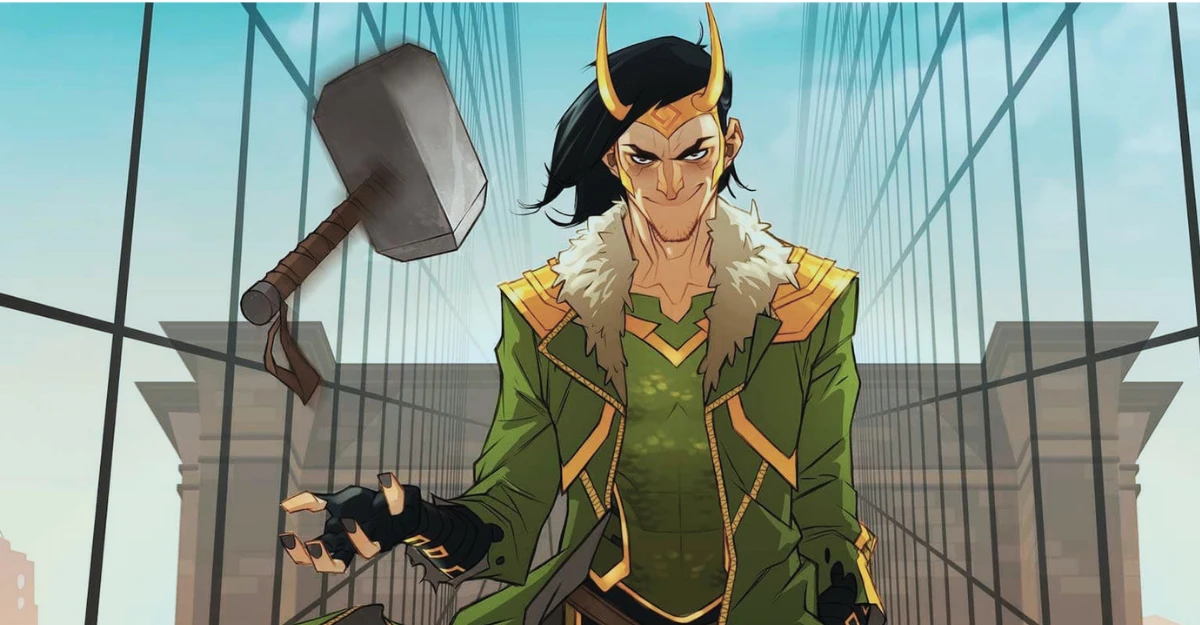
Loki’s very essence is defined by his deception. Both in Norse mythology and across Marvel Comics, Loki has consistently engineered elaborate schemes. He betrays allies, family, and even entire realms to achieve his twisted goals. His acts are calculated, not random pranks. They serve a clear purpose. Often, they stem from a deep-seated desire for power, recognition, or simply to sow chaos. His extensive history is filled with iconic mischief and major betrayals.
From manipulating gods in ancient sagas to orchestrating galaxy-wide conflicts in the Marvel Cinematic Universe, Loki’s trail of deceit is long. Each instance solidifies his status as the ultimate Trickster God. His machinations frequently shift key narratives. This highlights his impact. This history makes him compelling in every iteration.
Usurping the Throne: Loki’s Recurring Ambition
Loki’s driving ambition has always been to claim the throne of Asgard. He believes himself the rightful ruler. He often views Odin as a negligent father and Thor as an unworthy heir. This deep-seated desire fueled his early schemes. He frequently disguised himself as Odin or manipulated Thor into conflicts to leave the throne vacant. In the comics, a notable instance occurred during the “Dark Reign” era.
He secretly manipulated events from the shadows. He also briefly ruled Asgard in the MCU during *Thor: The Dark World* under the guise of Odin. These persistent attempts highlight his character. He always seeks power but often finds himself isolated. His schemes reflect his perception of himself as an outsider, born a Frost Giant but raised among gods.
The Evolution from Villain to Anti-Hero of Loki the Trickster
Loki’s character arc is a complex and deep character arc. Initially portrayed as a villain in the Marvel Comics universe, his persona transformed significantly over the years.
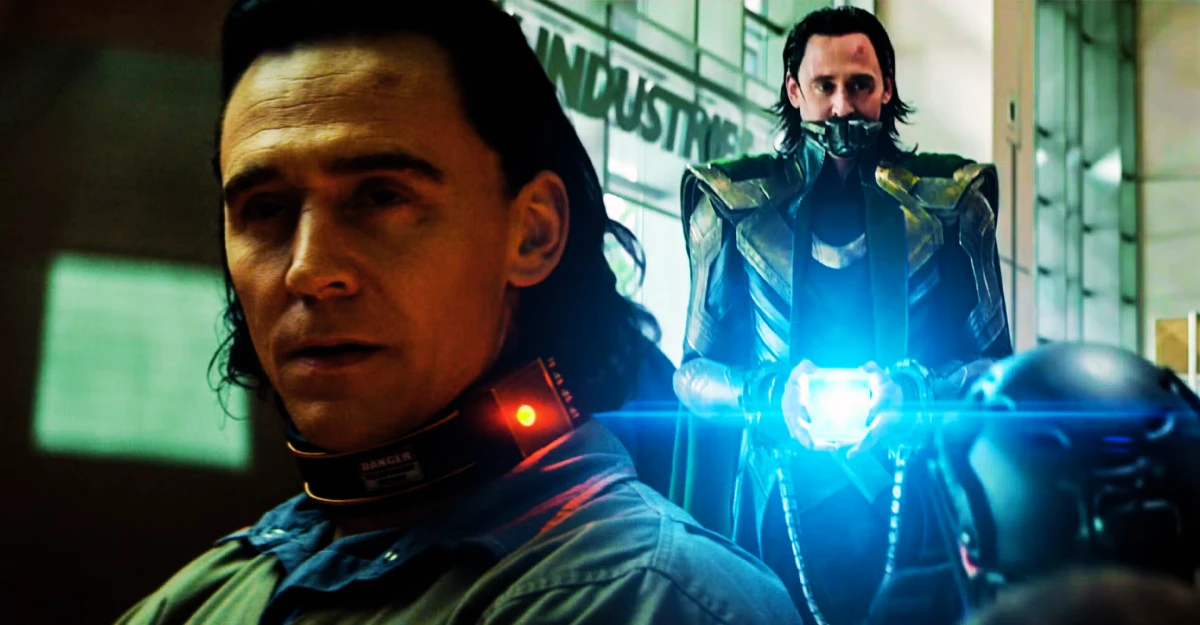
The introduction of Tom Hiddleston’s Loki in the Marvel Cinematic Universe further solidified this shift. It humanized the character and explored his nuanced motivations. Through various storylines and adaptations, Loki’s evolution from a straightforward antagonist to a multidimensional anti-hero has been developed.
His backstory, including his adoption by Odin and his Laufeyson family history, has been used to explain his actions and behaviors. This character development made Loki more relatable. It allowed for a richer exploration of his personality, making him one of the most compelling characters in the Marvel universe. His transformation inspired a devoted fan base. Many fans appreciate the depth and complexity he brings to stories.
Loki’s Enduring Legacy in Marvel Comics and Film
Loki remains the most adaptable figure in the Marvel library. While his origins trace back to Stan Lee and Jack Kirby’s 1962 introduction in *Journey into Mystery*, his character trajectory shifted from a one-dimensional antagonist to a complex protagonist. Tom Hiddleston transformed this perception through his MCU debut, replacing the classic green-horned villainy with a layered, magnetic performance that prioritized wit over raw power.
This evolution reflected comic book developments, particularly during Kieron Gillen’s *Journey into Mystery* run. Here, Loki shed his adult identity to become Kid Loki. He attempted to outrun the sins of his past. The later evolution into the God of Stories further solidified his status as a meta-fictional entity. He no longer reacted to the machinations of others. He began to edit the narrative itself.
Marvel Comics consistently redefines his purpose. He moved from an agent of chaos to an architect of reality. The transition from the Laufeyson family history to his current status as a cosmic force demonstrates his resilience. Whether through his shapeshifting abilities or his mastery of illusion, Loki persists. He reinvents his own identity.
He refuses to remain stagnant. He occupies the space between heroism and malice. This ensures his place as a consistent influence on the modern comic book landscape. His presence forces the entire Marvel universe to adapt to his shifting goals.
The God of Mischief’s Lasting Influence
Loki’s character has undergone significant transformations, making him a complex and intriguing figure.
- Loki’s evolution from villain to anti-hero has been expertly woven.
- His mastery of illusion and shapeshifting abilities makes him unpredictable.
Loki’s enduring legacy in Marvel Comics and film cements his place as a compelling character, forcing the universe to adapt to his shifting goals.