The God of Lies: Decoding Loki’s Trickster Abilities
As fans of the Marvel Cinematic Universe, we’ve all been captivated by Loki’s cunning and intelligence. His ability to outwit even the most powerful foes has solidified his place as one of the most iconic villains in pop culture. But have you ever wondered how Loki’s trickster powers work? What allows him to manipulate reality and deceive even the most skeptical of individuals? In this article, we’ll delve into the specifics of Loki’s abilities and explore the intricacies of his trickster magic.
Illusions and Glamours: Loki’s Signature Misdirection
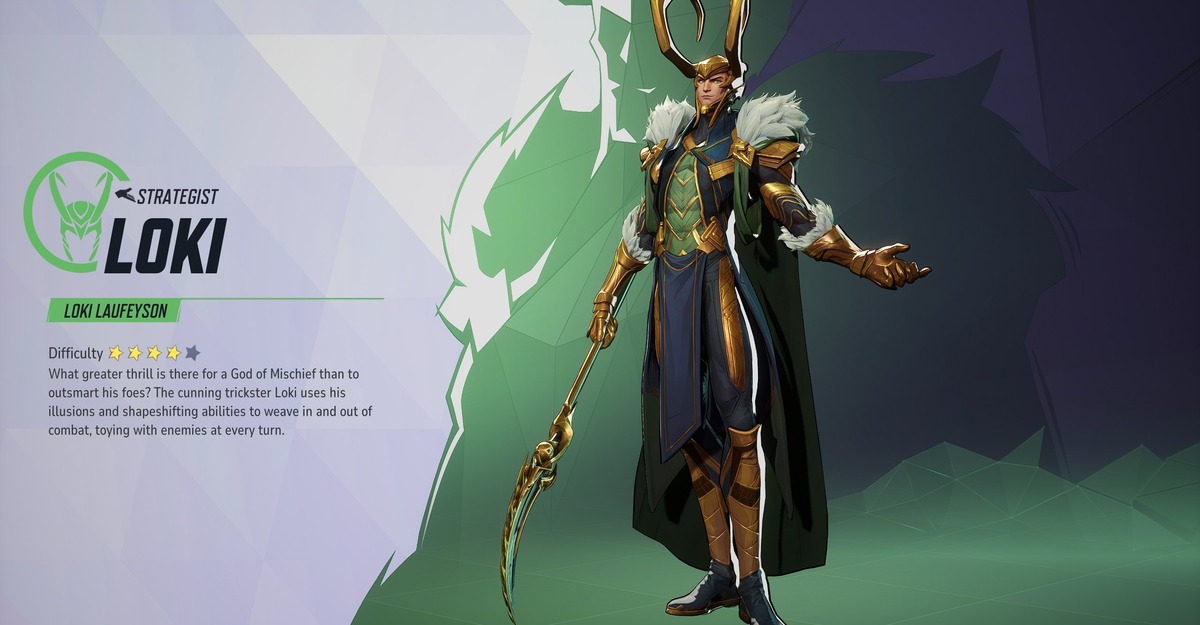
Loki creates convincing illusions. This skill defines his trickster persona. He deceives others with elaborate deceptions, using cunning and magical prowess. In Marvel Comics, Loki’s illusions frequently confound enemies, opening chances for his schemes. This ability proves Loki’s versatility and adaptability.
The Art of Creating Convincing Glamours
Loki masters glamours. He alters his appearance to match surroundings or impersonate others. This allows him to infiltrate high-security facilities, gathering intelligence undetected. In the Marvel Cinematic Universe, changing his appearance is a core power. He uses it to evade capture and manipulate people. This approach reveals his magical abilities and how he achieves his goals.
Shapeshifting: Mastering Forms and Identities
Loki, the God of Mischief, treats physical form as fluid. He alters his biology, voice, and appearance to match any target. This biological manipulation goes beyond cosmetic disguises. He rewrites his molecular structure, passing unnoticed among Frost Giants, Asgardians, and Midgardians. This adaptability is a key survival tactic for Loki. He flawlessly assumes the likeness of Captain America, Odin, or any bystander.
Transforming into Animals and Mythological Beasts
Asgardian magic allows Loki to discard bipedal anatomy entirely. He routinely shifts into horses, snakes, and birds. This helps him infiltrate secure locations or execute pranks. Norse mythology famously documents his transformation into a mare. Marvel Comics directly adapts this wild adaptability into his modern appearances.
He shifts into a falcon for scouting or a sleek serpent for close-range strikes. These animal forms retain his full intellect and magical capacity. He maintains complete tactical awareness as a beast.
Psychological Warfare: Manipulating Minds and Emotions
Loki’s trickery bypasses physical confrontation. He specializes in psychological warfare. This involves understanding his targets’ desires, fears, and insecurities. He misleads and infects minds. Loki plants seeds of doubt and discord. He exploits vulnerabilities to achieve his goals. His approach undermines opponents from within. He causes them to question allies, motives, even their sanity.
This makes him a uniquely dangerous foe. His most devastating attacks are often unseen. He targets the will and emotional state of those he opposes. Loki treats minds as complex battlegrounds, selecting weaknesses for maximum impact.
Sowing Discord: Turning Allies Against Each Other
Loki divides and conquers. He rarely fights groups directly. Instead, he inserts himself into established relationships. He whispers lies and plants false evidence. Loki exaggerates minor disagreements, eroding trust. This causes allies to turn on each other. For example, he manipulated the Avengers during their first gathering. He subtly pitted Iron Man against Captain America, or Hulk against Thor. Loki enjoys watching powerful individuals fracture.
He then exploits the chaos. His success relies on reading personalities and predicting reactions. He thrives on suspicion. This tactic defines his trickster identity.
Sorcery Beyond Simple Tricks: Destructive Magical Applications
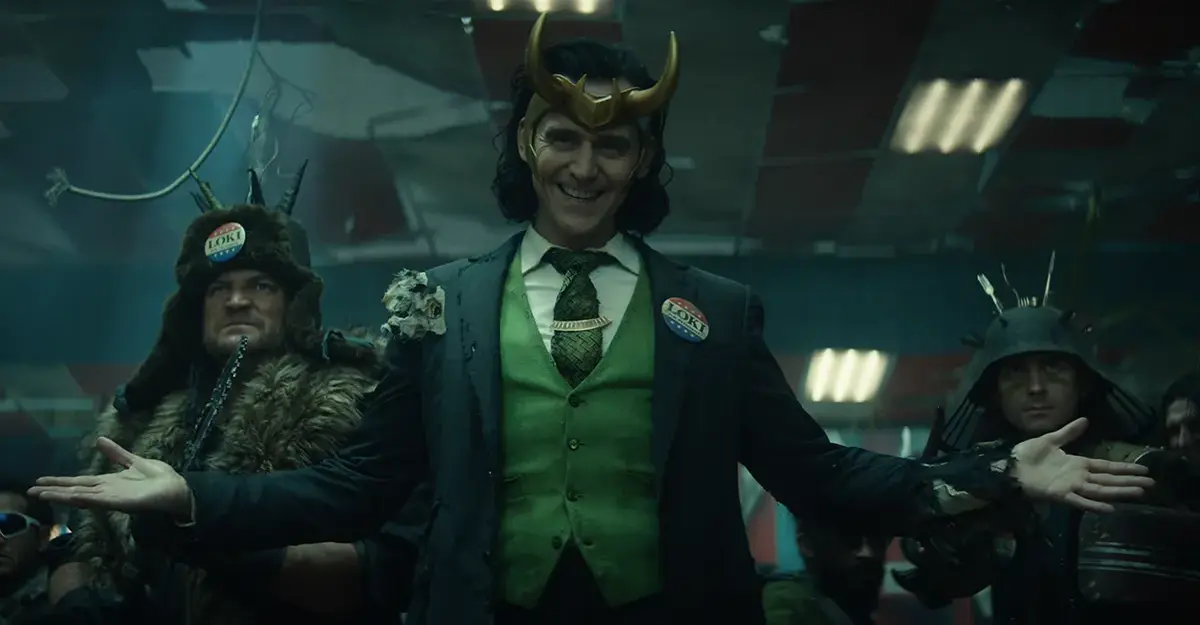
Loki’s magic extends beyond illusions and deceptions. He casts complex, destructive spells to further his interests or gain an advantage. He summons and controls powerful magical entities. He also manipulates the environment. Loki’s dark magic creates powerful energy blasts, enables short-distance teleportation, and even bends reality.
This magical prowess is a core aspect of his character. He uses it to outmaneuver opponents and achieve goals. Combining magic with cunning and intelligence keeps Loki ahead of his enemies. He remains a formidable force in the Marvel universe. His destructive magic makes him dangerous, and his abilities constantly grow.
Playing the Long Game: Strategic Deception in Action
Loki wins through superior planning, not raw force. His conflict approach uses patience and false narratives. Enemies accept these as reality. He feeds opponents information that confirms their biases. This directs their actions toward his objectives, unbeknownst to them. This is the core of his trickster god powers, Marvel lore’s greatest asset.
In Kieron Gillen’s Young Avengers run, Loki reconstructs his history. He manipulates his younger self, providing a roadmap for future iterations. He also works to avoid past failures. Loki treats time and causality as resources to manage, not fixed constants. This strategy demands immense mental discipline. He maintains consistent lies across different encounters and timelines.
He often uses decoys and projected versions of himself. This verifies enemy reactions to specific stimuli. After observing these patterns, he crafts a final outcome. This outcome appears spontaneous but results from months of preparation. The process layers multiple misdirections.
Even if a rival detects one ruse, they fall into a larger trap. He keeps his actual goal invisible until the final moment of success. This ensures he stays two steps ahead of any adversary attempting to counter his sorcery.
The Enduring Legacy of Loki’s Deceptive Genius
Loki’s trickster powers are a complex blend of magic, deception, and psychological manipulation.
- Loki’s illusions and shapeshifting abilities allow him to manipulate reality and deceive others.
- His mastery of psychological warfare and sorcery makes him a formidable foe in the Marvel universe.
Loki’s legacy as the God of Mischief continues to inspire and intimidate, confirming his enduring genius as a trickster.