Who Leads the Avengers? 7 Answers to the Chain of Command
Who leads the Avengers? The Avengers aren’t a single hero — they’re a coalition. But who calls the shots? From Steve Rogers’ tactical grit to Tony Stark’s financial clout, leadership roles have shifted endlessly.
The Avengers aren’t a single hero—they’re a coalition. But who calls the shots? From Steve Rogers’ tactical grit to Tony Stark’s financial clout, leadership roles have shifted endlessly. Confusion reigns as the roster evolves, with non-founders like Black Widow or Vision stepping into command.
This article cuts through the chaos, dissecting how Marvel’s leadership structure adapts to crises, accords, and rotating rosters. You’ll uncover the real power dynamics behind the shield, from field command to UN oversight, and finally settle the debate: who’s truly in charge?
Who Leads the Avengers in Combat? Captain America’s Field Role
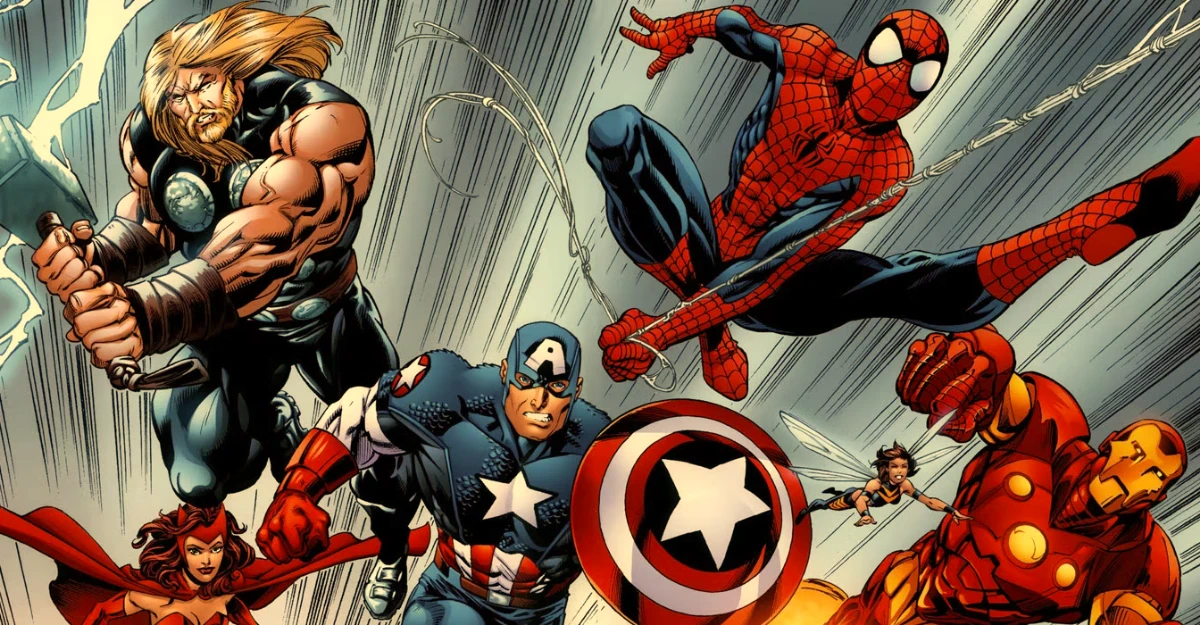
Steve Rogers directs the team during active combat operations. He draws upon his extensive World War II combat experience and strategic training to guide the team through high-stakes conflicts.
His leadership style focuses on group coordination, absolute trust in his allies, and devotion to a clear ethical standard. This structured approach helps stabilize the group during extreme combat scenarios.
Defining Captain America’s Leadership Style: The Brooklyn Super Soldier
His command relies on a balance of confidence, humility, and tactical execution. This combination establishes unity among highly powerful individuals who often clash.
His combat background drives his commitment to collaborative planning. This organized teamwork preserves team morale during difficult roster transitions.
Iron Man and the Financial Responsibility of the Avengers
Tony Stark provides the capital, technology, and bases that keep the Avengers functioning. While Steve Rogers directs the combat, Stark manages the operational overhead.
From Stark Mansion to the high-tech Avengers Compound, Stark Industries remains the primary funder. To understand how these resources are managed, check out the ultimate guide to Marvel’s the Avengers.
Stark’s funding structures the team as a private enterprise. He maintains control over their equipment, communication networks, and housing.
This logistical control limits the team’s operations based on his personal budget and corporate liability standards regulated by the Securities and Exchange Commission.
The Stark Foundation and Logistics Control
Stark manages the global supply chains required to maintain advanced laboratories and international transport. By funding these systems, he secures veto power over any operations requiring heavy capital.
He establishes the security protocols and public relations strategies when the team uses his properties. This setup aligns the Avengers with his corporate liability plans.
He defers to field commanders during battles but retains absolute authority over the budget. This financial control keeps the team aligned with his strategic goals.
Historical Shifts in Command During Rotating Roster Eras
The Avengers operate without a permanent, static chain of command. The team changes its leadership structure frequently to match its current membership.
The early lineup worked as an informal collective. As the roster grew, they introduced the formal role of Chairman to coordinate their actions. For more on how these structures evolved, read about how teamwork shapes the Avengers’ success.
This administrative role rotated based on seniority and specific skill sets. When primary heroes departed, secondary members took charge. This system prevents any single hero from establishing permanent control over the roster.
The Role of the Elected Chairperson in Avengers Operations
The Avengers eventually created a democratic voting system to elect an internal Chairperson. This leader manages administrative meetings, mansion staff coordination, and long-term planning.
The Wasp, Monica Rambeau, and Hawkeye have all held this position. For these administrative duties, organizational competency in the boardroom proved more useful than field combat experience.
This structure divides responsibilities clearly. The Chairperson handles public reputation and resources, while the field leader directs combat missions against threats like Kang the Conqueror.
When Non-Founding Members Took Control of the Team
New members frequently assume command as the roster changes. Following the events of the 2011 storyline “Fear Itself,” Luke Cage took charge of the New Avengers team.
Cage managed field operations and made major tactical decisions during a period of heavy team division. His background as a street-level hero brought a direct, practical approach to team operations.
During the 2013 to 2015 comic runs, Carol Danvers (Captain Marvel) assumed leadership after Tony Stark stepped down. She utilized her military training to direct the team during global and cosmic crises.
Who Leads the Avengers Under the Sokovia Accords?
The Sokovia Accords stripped the Avengers of their independent status. Before this legal agreement, the team operated as a private organization funded by Tony Stark.
The United Nations established a government panel to oversee every deployment. This action converted the independent group into a state-sanctioned enforcement unit working under United Nations oversight.
This oversight created a direct split in leadership. Steve Rogers believed the team required independence to maintain its ethics, while the Accords forced legal compliance. Learn more about how the team resolves these issues in our guide on how Avengers handle moral conflicts.
This political shift broke the traditional chain of command. A bureaucratic panel replaced the field leader and the Chairperson as the primary decision-making body. Members had to balance tactical needs with international law during every mission.
Final Verdict on the Chain of Command in Marvel Comics and Film
No single hero holds absolute authority over the Avengers. Leadership shifts based on combat needs, funding, and legal mandates.
Steve Rogers provides combat direction, while Tony Stark controls the operational budget. This dual structure distributes power across different administrative roles.
- Tactical command remains separate from financial and logistical oversight.
- External political regulations redefine the team’s operational autonomy.